
A River Connection, Part Three In A Series
Published by Sawyer Paddles and Oars on Mar 11th 2019
How does “The Feel of Water” translate to the actual experience of rowing a set of Sawyer oars or paddles? How a set of “tubes” or “sticks” works is easy to describe, but the historical uses of rowing have changed with technology. Rowing has moved goods across oceans, provided an advantage in warfare, and shaped many sports and recreational uses today.
Today’s highly crafted wood and composite products have heart and soul, as Sawyer Ambassador Greg Hatten shares here and on his blog.
Finding the Feel of the River
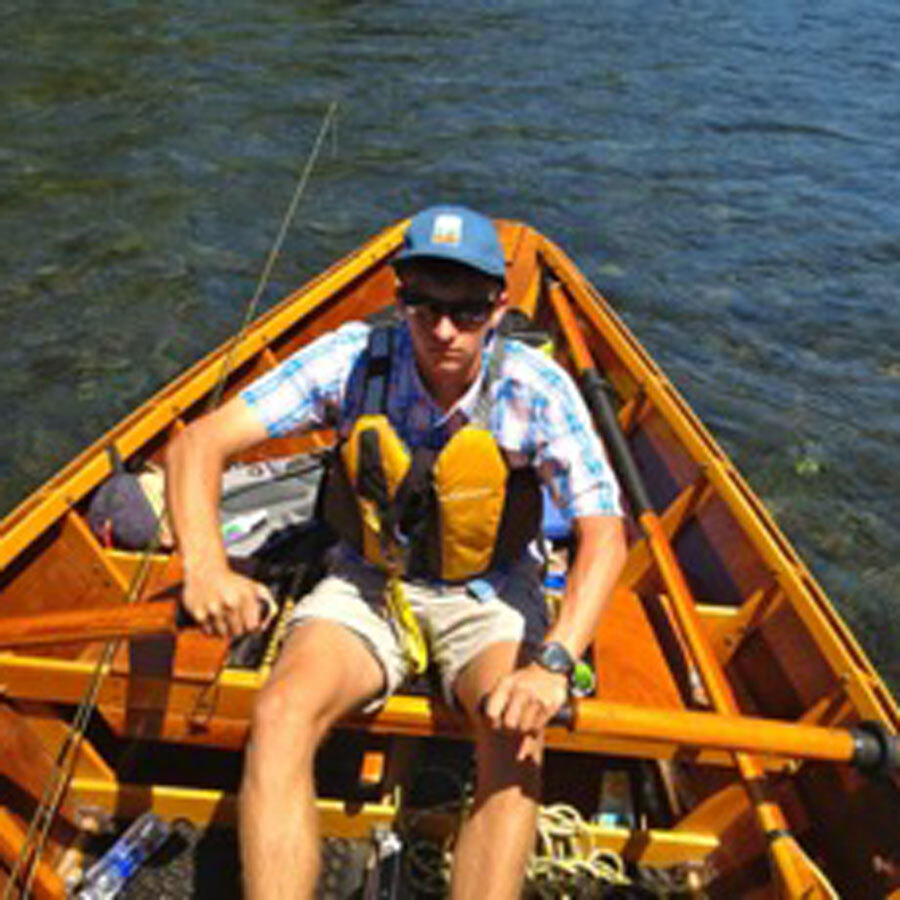
A few years ago, my nephew Ben came out to Oregon from Tennessee for a three-day river trip on the McKenzie. As a high school senior from east of the Mississippi, he had never seen the rivers or drift boats of the Pacific Northwest. He was pretty excited about the adventure.
After we had spent the better part of the first day on the river together, I invited him to switch places with me, sit on the rope seat, take the oars, and row the boat. While only about half the passengers in my boat take me up on the offer, I had not even finished the sentence before my nephew was reaching for the oars.
Most people who come to the river in my boat have little or no experience on western rivers. Rowing a drift boat is outside their comfort zone. It is a big leap to get on the oars with little or no context for moving water or maneuvering a boat with nothing but a pair of 9’ oars.
For some, the reward for taking that chance can be one of the highlights of the entire experience. I want them on the oars so they can feel the power of the river pushing hard against the blades. I want them to feel that tension and resistance when they pull hard enough to make the shafts flex under the strain.
Ideally, I want them to feel the boat move in response to their strokes. It is the oars that connect people physically to the river. The oars are an extension of the arms. When those muscles pull powerful strokes against a strong current, the rower suddenly becomes connected to the river, the outdoors, and the whole Wild and Scenic experience. It is magic.
Why Oar Flex Matters
Not every oar delivers the connection. I know because I have rowed them all.
Too stiff, and it feels like rowing with boards. Too flexible, and it feels like rowing noodles. The flex needs to be just right for the rower, and every rower has a slightly different preference. It is a very subjective thing.
Sawyer oars consistently deliver on the connection by building oars with just the right amount of flex for our Pacific Northwest rivers, which run harder and faster than most. I have rowed Sawyer oars for years and am always thrilled with their craftsmanship, attention to detail, and consistency.
For just over 50 years, Sawyer has been delivering on its brand promise: building quality oars for all types of river runners. They are located in a place that keeps them true to their roots and their craft, on the banks of the Rogue River in Oregon. It is the heart of the state with the most Wild and Scenic Rivers in the United States.
Thanks for making us feel the connection to the Wild and Scenic Rivers we love to run.